Dwarf Hotot Rabbit Care: Size, Health & Diet
A complete Dwarf Hotot rabbit care guide covering size, the breed's signature eye-bands, lively temperament, lifespan, grooming, and dental and dietary care.
With its snow-white coat and dramatic dark eye-bands, the Dwarf Hotot is one of the most distinctive small rabbits you can keep. Often described as wearing natural eyeliner, this tiny breed pairs a compact, almost spherical body with a lively, affectionate personality that fits a lot of character into a very small package. The Dwarf Hotot is a popular pet and show rabbit, prized for its striking looks and engaging nature. This guide covers the breed's size, temperament, lifespan, grooming, and the dental and dietary care this little white rabbit needs.
Like other dwarf breeds, the Dwarf Hotot has a few specific needs tied to its compact skull shape, especially around dental health and gentle handling. Knowing these ahead of time helps you give your tiny companion a long, comfortable life with the guidance of a rabbit-savvy exotic vet.
Dwarf Hotot Care Essentials

Kaytee Timothy Hay for Small Animals
Unlimited grass hay is about 80 percent of the diet and is essential for wearing down a dwarf rabbit's teeth.

Oxbow Essentials Adult Rabbit Food
A small measured portion of plain timothy pellets suits this tiny breed without overfeeding.

Safe wood chews give an energetic Dwarf Hotot an outlet and help keep teeth worn down.
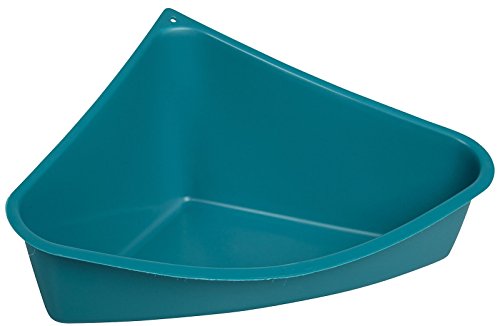
A clean corner litter box keeps a pure-white rabbit tidy and makes litter training easier.
Dwarf Hotot Size and Markings
Dwarf Hotots weigh just 2 to 3 pounds at maturity, making them one of the smallest rabbit breeds. They have a compact, rounded, almost ball-shaped body, a broad head, and short upright ears. The breed's hallmark is its coloring: a pure white coat set off by a narrow band of dark color, usually black, encircling each eye. This natural eyeliner gives the Dwarf Hotot a wide-eyed, expressive face that is instantly recognizable. The short, dense coat lies close to the body and contributes to the breed's tidy, rounded silhouette.
Temperament: Lively and Affectionate
Dwarf Hotots are known for being energetic, playful, and affectionate. Many are bold and curious, eager to explore and interact, though some can be a little feisty or reserved, particularly if they were not gently socialized when young. As prey animals in a very small body, they startle easily, so calm, predictable handling is important. With patient daily attention, plenty of Dwarf Hotots become loving and engaging companions that binky around the room and seek out their favorite people. They often suit adults or older children who enjoy earning a rabbit's trust.
Lifespan and Commitment
A healthy Dwarf Hotot typically lives 7 to 10 years, and good care can reach the upper end of that range. Support a long life by spaying or neutering, feeding a hay-based diet, keeping your rabbit safely indoors, and scheduling regular exotic vet checkups. Because dental disease is the most common breed-specific concern, those visits should always include a close look at the teeth. This is a decade-long commitment despite the rabbit's small size.
Common Health Issues in Dwarf Hotots
Dental Malocclusion
The most important health concern in this breed is dental disease. The dwarfing gene shortens the skull and jaw, which can crowd the teeth and lead to malocclusion, where the upper and lower teeth fail to meet and wear properly. Because rabbit teeth grow continuously, misaligned teeth overgrow into sharp spurs that injure the cheeks and tongue. Signs include drooling, a wet chin, dropping food, weight loss, and reduced appetite. A high-hay diet is the best prevention, and regular dental exams are essential.
GI Stasis
Dwarf Hotots, like all rabbits, are vulnerable to gastrointestinal stasis, a potentially fatal slowdown of the digestive system. It can be triggered by stress, pain, dehydration, dental problems, or a low-fiber diet. If your rabbit stops eating or producing droppings for several hours, treat it as an emergency and contact your exotic vet immediately. Abundant hay, hydration, and exercise are the best defenses.
Eye Health
While the eye-bands are purely cosmetic markings and not a disease, the Dwarf Hotot's prominent eyes make any problems easy to notice. Watery eyes, redness, discharge, or cloudiness can signal dental issues, a blocked tear duct, or irritation, so have persistent changes checked by an exotic vet. Keeping the living area clean and dust-free helps protect the eyes.
Grooming and Handling
The Dwarf Hotot's short, dense rollback coat is easy to care for. A weekly brush keeps shedding under control, with more frequent grooming during a molt to reduce the amount of fur your rabbit swallows. Because the coat is pure white, soiling shows readily, so keep the litter area clean and spot-clean any stained fur rather than bathing, which is dangerous and stressful for rabbits. Keep nails trimmed every four to six weeks. When handling such a tiny, light rabbit, support the body fully and stay close to the ground, since a fall can seriously injure their fragile spine.
Housing and Enrichment
Do not let the small size fool you. Dwarf Hotots are athletic and need plenty of space, far more than a typical pet store cage offers. A large exercise pen plus several hours of daily free-roam time in a rabbit-proofed area lets them run, dig, and binky to their heart's content. Provide chew toys, tunnels, and digging boxes to keep their busy minds engaged and their teeth worn. A well-exercised, enriched Dwarf Hotot is happier, healthier, and friendlier.
The Dwarf Hotot is a tiny, striking, spirited rabbit that brings a lot of personality to a small home. Give it a hay-first diet, careful attention to dental health, gentle handling, and lots of space to play, and this charming white rabbit with the eyeliner markings can be a delightful companion for the better part of a decade.
Rabbit Care Planner
Track your rabbit's health, meds, vet visits, mobility, nutrition, and quality of life, all in one printable planner.
Editor's Pick · Affiliate link
A Chew-Proof Two Storey Hutch
Rabbits chew everything, and a wooden hutch becomes a repair project and a health risk once it is soaked and gnawed. A full metal frame with two levels gives the vertical space rabbits actually use, and it survives the chewing that destroys cheaper housing.
Frequently Asked Questions
How big do Dwarf Hotot rabbits get?
Dwarf Hotots are one of the smallest rabbit breeds, typically weighing 2 to 3 pounds when fully grown. They have a compact, rounded, almost ball-like body and short upright ears. The breed is best known for being pure white with a striking band of dark color circling each eye, often described as a natural eyeliner, which gives the Dwarf Hotot a uniquely expressive, doe-eyed appearance.
How long do Dwarf Hotot rabbits live?
A well-cared-for Dwarf Hotot usually lives 7 to 10 years, and as a small breed it can reach the longer end of that range with good care. Key factors include a hay-based diet, indoor living, spaying or neutering, and regular checkups with a rabbit-savvy exotic vet. Because the dwarf skull shape makes dental disease more likely, prompt dental attention is especially important for a long, healthy life.
Are Dwarf Hotot rabbits good pets for beginners?
Dwarf Hotots are affectionate and lively, but their energetic, sometimes feisty nature can make them a bit more challenging than calmer breeds for a first-time owner. With patient, gentle daily handling and proper socialization, many become friendly and playful companions. Their tiny size means careful handling is essential, so they often suit adults or older, calm children rather than serving as a hands-on pet for young kids.
Why are Dwarf Hotots prone to dental problems?
The dwarfing gene that gives the breed its tiny head and compact face also shortens the jaw, which can crowd the teeth and make malocclusion more likely. When the upper and lower teeth do not line up, they cannot wear evenly, and since rabbit teeth grow continuously, they overgrow into painful spurs. A diet of roughly 80 percent grass hay encourages natural tooth wear. Watch for drooling, dropped food, weight loss, or reduced appetite, and have teeth checked regularly.
How much grooming does a Dwarf Hotot need?
Dwarf Hotots have a short, dense, rollback coat that is low-maintenance. A weekly brush keeps loose fur under control, with more frequent grooming during a molt to reduce how much hair your rabbit swallows. Because the body is pure white, you may notice soiling more easily, so keep the litter area clean and spot-clean as needed. Never bathe a rabbit. Keep nails trimmed every four to six weeks and check the eyes stay clean.
Do Dwarf Hotot rabbits need special eye care?
Dwarf Hotots do not have inherent eye disease tied to their markings, but because they have prominent eyes set off by the dark eye-bands, any tearing, redness, discharge, or cloudiness is easy to spot and worth attention. Watery eyes in rabbits can signal dental problems, blocked tear ducts, or irritation, so have persistent eye changes assessed by an exotic vet. Keeping the living area clean and dust-free helps protect the eyes.
Do Dwarf Hotots need a lot of space?
Yes. Despite their tiny size, Dwarf Hotots are active and energetic and need far more room than a small cage. Provide a large exercise pen as a home base plus several hours of daily free-roam time in a rabbit-proofed area. They love to dash, dig, and binky, so chew toys, tunnels, and digging opportunities help burn that energy and keep their busy minds engaged.
Need more help caring for your rabbit?
Browse our guides by topic to find practical solutions.
Wellness Planner: $39