Water Bottle vs Bowl: Best Way to Hydrate a Rabbit
Water bottle vs bowl for rabbits compared: which one bunnies drink more from, cleanliness, and the verdict on keeping your rabbit well hydrated.
Fresh water is one of the simplest yet most important parts of rabbit care, and new owners often wonder which delivery method is best: the classic sipper bottle clipped to the pen, or an open bowl. It turns out the answer matters more than you might think, because how easily a rabbit can drink affects how much it drinks, and good hydration helps prevent serious problems like GI stasis. Let us compare bottles and bowls so your bunny always has water it will actually use.
Hydration Gear: Bowl First, Bottle Backup

Heavy, tip-resistant ceramic bowl matched to a rabbit's natural drinking posture.
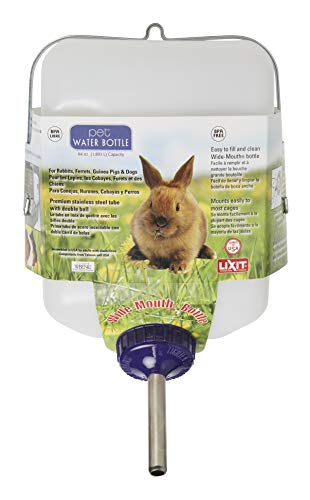
Lixit Lixit All-Weather 64oz Water Bottle
A large sipper bottle that stays clean, ideal as a backup source.

SPOT SPOT Ceramic Stoneware Pet Bowl
A sturdy stoneware dish, easy to scrub and hard to flip.
Why how a rabbit drinks matters
Rabbits in the wild lower their heads to lap water from the ground, so an open bowl matches their natural posture. They can take big, comfortable gulps and finish quickly. A sipper bottle, by contrast, asks a rabbit to lift its head, work a metal ball valve, and collect water one small drop at a time. That is slower and more tiring, and the practical result is that many rabbits simply drink less from a bottle. Since steady hydration supports kidney and urinary health and helps keep the gut moving, encouraging your rabbit to drink more is genuinely important.
Bottle vs bowl compared
| Factor | Ceramic Bowl | Sipper Bottle |
|---|---|---|
| Amount rabbits drink | Usually more | Often less |
| Natural posture | Yes, head down | No, head up |
| Stays clean | Can collect hay and litter | Spout stays cleaner |
| Easy to clean | Very easy to scrub | Needs a bottle brush |
| Spill or tip risk | Low if heavy ceramic | None, fixed to pen |
| Easy to monitor intake | Harder to gauge exactly | Easier to read level, but may clog |
| Best role | Primary water source | Clean backup |
The case for a heavy ceramic bowl
For most rabbits, a wide, low, heavy ceramic or stoneware bowl is the best primary water source. The weight keeps a bouncy rabbit from tipping or flinging it, ceramic scrubs clean easily and resists odors, and the open surface lets your rabbit drink naturally and freely. Place the bowl away from the hay pile and litter box so it stays cleaner, and refresh the water daily. Because rabbits will still kick in the occasional strand of hay or stray dropping, plan on a quick rinse each day and a thorough wash every few days.
Where bottles still help
Bottles are not the enemy. Their sealed spout keeps water free of hay, litter, and debris, and they cannot be tipped, which is handy in a busy pen. The trade-offs are lower intake, valves that can stick or clog, and the fact that algae or residue can build up unseen inside the bottle. Used as a clean, spill-proof backup alongside a bowl, a bottle gives you redundancy: if the bowl gets fouled or knocked, your rabbit still has a water source. This pairing is especially useful when transitioning a bottle-raised rabbit to a bowl.
Keeping water safe and fresh
- Offer clean, fresh water every day, no exceptions.
- Rinse the bowl daily and deep-clean it every few days with hot, soapy water.
- Scrub bottle spouts and interiors regularly with a bottle brush to prevent buildup.
- Watch your rabbit's droppings and urine for signs of dehydration, and contact your exotic vet if drinking or eating drops off.
Our Recommendation
The verdict: offer a heavy, tip-proof ceramic bowl as your rabbit's primary water source, since most rabbits drink more from a bowl thanks to the natural head-down posture, and bowls are easy to clean and check. Keep a sipper bottle as a clean, spill-proof backup, especially if you are transitioning a bottle-raised rabbit or want a fail-safe in a busy pen. Refresh and clean both daily, and watch your rabbit's intake and output closely, because good hydration is a frontline defense against GI stasis. If your rabbit ever stops drinking, call your rabbit-savvy exotic vet right away.
Rabbit Care Planner
Track your rabbit's health, meds, vet visits, mobility, nutrition, and quality of life, all in one printable planner.
Both of the cages we review ship with a bottle you will probably want to replace, which is covered in our Ferplast Krolik XXL review and the MidWest Deluxe cage review.
Editor's Pick · Affiliate link
A Chew-Proof Two Storey Hutch
Rabbits chew everything, and a wooden hutch becomes a repair project and a health risk once it is soaked and gnawed. A full metal frame with two levels gives the vertical space rabbits actually use, and it survives the chewing that destroys cheaper housing.
Frequently Asked Questions
Do rabbits drink more from a bowl or a bottle?
Most rabbits drink more from a bowl. Lapping from an open bowl matches a rabbit's natural head posture and lets it take big, easy gulps, while a sipper bottle releases only small drops at a time and can be tiring. Studies and many owners find rabbits offered a bowl take in more water overall, which supports kidney and urinary health and helps prevent the dehydration that can trigger GI stasis. A bowl is usually the better primary source.
Are water bottles bad for rabbits?
Bottles are not bad, just less ideal as the only source. Their big advantage is cleanliness: the spout stays free of hay, litter, and droppings, and water does not get tipped over. The downsides are that rabbits drink less from them, the metal ball can stick or clog, and you cannot always tell at a glance how much your rabbit drank. Bottles make an excellent clean backup alongside a primary bowl, giving you the best of both.
What kind of bowl is safest for a rabbit?
Choose a heavy ceramic or stoneware bowl with a wide, low profile. The weight stops a playful rabbit from tipping or flipping it, and ceramic is easy to scrub and does not harbor odors the way some plastics can. Avoid lightweight plastic dishes, which get knocked over and chewed. Keep the bowl low enough for comfortable drinking and place it away from the litter box and hay pile so it stays cleaner.
How often should I clean my rabbit's water dish?
Refresh the water and rinse the bowl daily, since rabbits readily foul open water with hay, droppings, and stray pellets. Give it a thorough wash with hot, soapy water every few days, or more often if it looks slimy, to prevent bacterial buildup. Bottles need attention too: clean the spout and bottle regularly with a bottle brush, since algae and residue can hide inside. Always offer clean, fresh water every single day.
How do I know if my rabbit is drinking enough?
Watch the water level and your rabbit's output. A healthy rabbit drinks a fair amount daily, and you should see normal, plentiful droppings and pale, regular urine. Signs of trouble include a sudden drop in drinking, very dark or gritty urine, fewer or smaller droppings, or a hunched, quiet posture. Dehydration can contribute to GI stasis, which is a medical emergency in rabbits. If your rabbit stops drinking or eating, contact your exotic vet right away.
Should I offer both a bowl and a bottle?
Offering both is a smart, low-risk approach, especially during transitions. If your rabbit grew up on a bottle, set out a heavy bowl alongside it so your rabbit can discover the easier option without losing access to water. Many owners keep both long term: the bowl as the main source your rabbit prefers, and the bottle as a clean, spill-proof backup. Just keep both clean and full, and watch which one your rabbit actually uses.
My rabbit only knows a bottle. How do I switch to a bowl?
Transition gently and never remove the bottle until you are sure your rabbit is drinking from the bowl. Place a heavy ceramic bowl of fresh water near the bottle in a spot your rabbit frequents. Most rabbits investigate and prefer it quickly. Watch over a few days to confirm steady drinking from the bowl, checking droppings and urine for normal output. Once the habit is clear, you can keep the bottle as a backup or phase it out.
Need more help caring for your rabbit?
Browse our guides by topic to find practical solutions.
Wellness Planner: $39