How to Tell a Rabbit's Age: A Bunny Owner's Guide
Learn to estimate an unknown rabbit's age from life stages, teeth, nails, weight, coat, and activity, plus why an exotic-vet exam gives the most reliable answer.
Whether you have adopted a rescue bunny, taken in a stray, or simply lost track of the years, figuring out a rabbit's age is a common and surprisingly tricky puzzle. Unlike a documented birthday, an unknown rabbit's age has to be estimated from a handful of physical and behavioral clues. None is exact on its own, but together they paint a useful picture. This guide walks you through reading those signs, understanding rabbit life stages, and knowing when to lean on an exotic vet for the most reliable answer. You can also try our rabbit age calculator to translate bunny years into human terms.
Stage-Appropriate Care Essentials
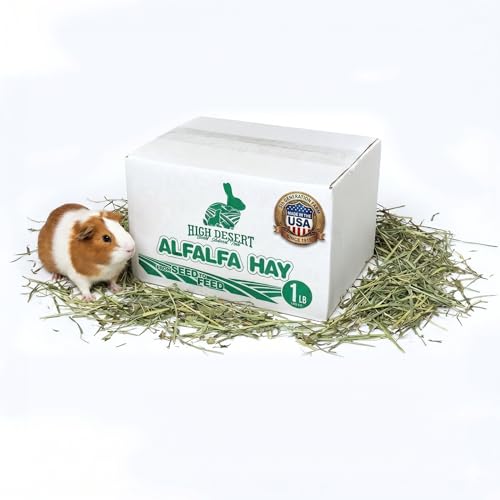
High Desert High Desert Alfalfa Hay for Young Rabbits
Calcium-rich hay for confirmed young rabbits under about 7 months.

Oxbow Oxbow Western Timothy Hay
The grass hay staple for adult and senior rabbits, fed unlimited.

Crafterlife Crafterlife Small Animal Grooming Kit
Gentle tools to groom coat and nails, which also offer age clues.
Understanding rabbit life stages
The most practical way to think about a rabbit's age is by life stage rather than an exact number. Each stage comes with its own look, energy level, and care needs, so identifying the stage matters more for day-to-day care than pinning down a precise birthday. Here is how the stages generally break down for a pet rabbit, keeping in mind that most rabbits live 8 to 12 years.
| Life stage | Approx. age | What you will notice | Care focus |
|---|---|---|---|
| Baby (kit) | 0 to 3 months | Tiny, soft fur, very playful, rapid growth | Alfalfa hay and pellets, gentle handling |
| Juvenile | 3 to 7 months | Energetic, hormonal behaviors emerge, nearly full size | Transition diet, plan spay or neuter |
| Adult | 7 months to 5 years | Full size, settled personality, peak activity | Timothy hay, measured pellets, greens |
| Senior | 5 to 6 years and up | Slower, sleeps more, possible graying or stiffness | More vet checks, comfort, weight monitoring |
Clues from the teeth
A rabbit's teeth offer general hints about age, though not an exact reading. Younger rabbits tend to have clean, white, evenly worn front incisors, while older rabbits may show more wear, yellowing, or staining. Keep in mind that because rabbit teeth grow continuously throughout life, their condition reflects diet and dental health as much as age. A rabbit that has not had enough grass hay may show dental problems regardless of how old it is.
The most telling part of the mouth, the back molars, is not something you can examine at home. This is one reason a veterinary exam is so valuable. A vet can check both the visible incisors and the hidden molars, assessing age while also catching dental disease like molar spurs or malocclusion that needs treatment. Never try to pry open a rabbit's mouth yourself, as you could stress or injure it.
Rabbit Care Planner
Track your rabbit's health, meds, vet visits, mobility, nutrition, and quality of life, all in one printable planner.
Nails, coat, eyes, and weight
Several body features add to the picture. Young rabbits usually have short, neat nails and a soft, fine coat, while older rabbits often grow thicker, longer, or more curved nails and a coarser coat that takes longer to shed during a molt. Senior rabbits may show thinning fur, slight graying around the face, or a less tidy appearance as self-grooming becomes harder with age. Regular grooming sessions are a lovely time to notice these subtle changes.
The eyes can help too. A healthy young rabbit typically has bright, clear eyes, while cloudiness or cataracts can appear in older rabbits, though eye changes can also signal disease at any age. Weight and size are useful for distinguishing a still-growing juvenile from a fully grown adult, since rabbits reach near-adult size by around six to eight months depending on breed. A small-breed bunny matures faster than a large-breed one, so always factor in breed when judging size.
Behavior and activity level
How a rabbit moves and plays says a lot about its stage. Babies and juveniles are bouncy bundles of energy, racing around, exploring everything, and throwing frequent joyful binkies. Adults remain active and playful but tend to settle into a steadier, more predictable rhythm with a clear personality. Senior rabbits generally slow down, nap more, and may become less interested in vigorous play, sometimes due to age-related stiffness or arthritis.
A sudden change in activity is worth noting regardless of age, since lethargy can signal illness in a rabbit of any stage. If your usually busy bunny becomes quiet and hunched, that is a reason to call your exotic vet rather than assume it is simply aging. Behavioral clues work best as one piece of the overall age estimate, combined with the physical signs above.
Why a vet exam is the gold standard
While you can gather a reasonable estimate at home, a rabbit-savvy exotic vet remains the most reliable source. The vet combines a full physical exam, including those hidden molars, with weight, body condition, coat, eyes, and overall health history to arrive at the best possible age estimate. Just as importantly, the exam can uncover early dental disease, arthritis, or other conditions that shape how you should care for your rabbit going forward.
For any newly adopted, rescued, or stray rabbit of unknown age, scheduling that wellness exam is the single most useful step you can take. It gives you a starting point for diet decisions, helps you plan for senior care if needed, and establishes a relationship with a vet who can guide you through the years ahead. Pair that professional insight with the at-home clues in this guide and you will care for your rabbit confidently at every stage.
Feeding by age when you are unsure
Diet is where getting the stage right matters most. Rabbits under about seven months are growing fast and benefit from alfalfa hay and alfalfa-based pellets, which are richer in calcium, protein, and calories. Around seven months, transition gradually to grass hay like timothy and a timothy-based pellet, since adults and seniors do not need that richness and can develop weight or bladder issues on it. When you cannot confirm age, default to adult care and let your exotic vet refine the plan after an exam, then watch for senior signs so you can adapt over the years.
Related Rabbit Guides
Editor's Pick · Affiliate link
A Chew-Proof Two Storey Hutch
Rabbits chew everything, and a wooden hutch becomes a repair project and a health risk once it is soaked and gnawed. A full metal frame with two levels gives the vertical space rabbits actually use, and it survives the chewing that destroys cheaper housing.
Frequently Asked Questions
Can you tell exactly how old a rabbit is?
Not precisely. Unlike a documented birth date, an unknown rabbit's age can only be estimated from physical and behavioral clues like teeth, nails, weight, coat, eyes, and activity level. These signs narrow it to a life stage, baby, juvenile, adult, or senior, rather than an exact number. A rabbit-savvy exotic vet can give the most reliable estimate by combining a hands-on exam with these clues, which is well worth doing for any rabbit of unknown age.
How can teeth help estimate a rabbit's age?
Teeth offer general clues rather than exact ages. Young rabbits tend to have clean, white, evenly worn incisors, while older rabbits may show more wear, yellowing, or staining. Because rabbit teeth grow continuously throughout life, condition reflects diet and dental health as much as age, so teeth alone are not definitive. A vet examines the front teeth and the back molars, which you cannot easily see, to assess both age and dental disease like spurs or malocclusion.
At what age is a rabbit considered a senior?
Most rabbits are considered seniors around 5 to 6 years of age, though larger breeds may age a little sooner and small breeds a little later. Since pet rabbits commonly live 8 to 12 years, a senior bunny can still enjoy many happy years with good care. Senior rabbits often slow down, sleep more, and may develop arthritis or other age-related conditions, so more frequent wellness checks with an exotic vet become especially valuable.
Do a rabbit's nails or coat reveal its age?
They offer hints. Young rabbits usually have a soft, fine coat and short, neat nails, while older rabbits may grow thicker, longer, or more curved nails and a coarser coat that takes longer to molt. Senior rabbits can develop thinning fur, slight graying around the face, or a less tidy appearance as grooming gets harder. None of these is exact, but combined with weight, eyes, and activity, they help build a reasonable age estimate.
How do I care for a rabbit if I do not know its age?
When in doubt, feed and care for an unknown adult rabbit as a healthy adult: unlimited grass hay such as timothy, a measured portion of timothy-based pellets, and fresh greens. Reserve alfalfa hay and pellets for confirmed young rabbits under about seven months. Schedule an exotic-vet exam to estimate age and check overall health, then adjust diet and monitoring as needed. Watch closely for any senior signs so you can adapt care over time.
Should young rabbits eat different food than adults?
Yes. Rabbits under about seven months are growing fast and benefit from alfalfa hay and alfalfa-based pellets, which are higher in calcium, protein, and calories. Around seven months, transition gradually to grass hay like timothy and a timothy-based pellet, since adults do not need that richness and can develop weight or bladder issues on it. If you are unsure of your rabbit's age, your exotic vet can advise the right diet for its life stage.
Is a vet exam the most reliable way to age a rabbit?
Yes, by far. A rabbit-savvy exotic vet combines a full physical exam, including the molars you cannot see, with weight, body condition, coat, eyes, and overall health to give the best possible age estimate. The vet can also catch early signs of dental disease, arthritis, or other conditions that affect care. For any newly adopted or stray rabbit of unknown age, an exam is the single most accurate and useful step you can take.
Need more help caring for your rabbit?
Browse our guides by topic to find practical solutions.
Wellness Planner: $39