Rabbit Starter Kit: Essential Bunny Shopping List
Build the perfect rabbit starter kit with a budget table: pen, hay, litter box, bowls, hideout, and feeder picks for happy, healthy new bunnies.
So you are bringing home a bunny, congratulations. One of the best ways to start off on the right paw is to gather a thoughtful starter kit before your rabbit arrives. The good news is that the essentials are refreshingly simple. Rabbits do not need gadgets and gizmos, they need safe space, unlimited hay, clean water, a tidy bathroom, and a cozy place to hide. This guide rounds up the core gear, gives you a budget table, and explains why each item earns its place, all grounded in House Rabbit Society best practices and exotic-vet guidance.
Here are the four foundation pieces almost every new rabbit home needs. Think of these as your day-one essentials.
The Four Starter Kit Essentials

GUTINNEEN Rabbit Playpen (Bunny Run)
A roomy, flexible home base that beats a cramped cage

Oxbow Oxbow Western Timothy Hay
Unlimited grass hay, the cornerstone of about 80 percent of the diet

Your Starter Kit Budget Table
Use this as a planning guide. Prices vary, but it gives you a realistic sense of what a complete first setup costs and which pieces are must-haves versus nice extras.
| Item | Why it matters | Priority | Typical cost |
|---|---|---|---|
| Exercise pen | Safe, roomy home base for hopping and binkies | Essential | $45 to $50 |
| Grass hay | About 80 percent of the diet, vital for teeth and gut | Essential | $11 to $13 |
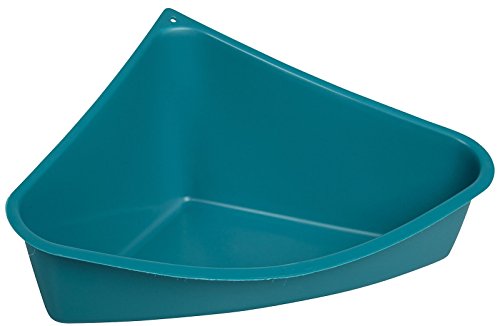
| Litter box | Keeps the home tidy, supports litter training | Essential | $13 to $27 |
| Ceramic bowl | Encourages natural drinking and steady hydration | Essential | $13 to $15 |
| Hideout | Helps a prey animal feel safe and settle in | Highly recommended | $12 to $24 |
| Hay feeder rack | Keeps hay clean, dry, and off the litter | Nice to have | $10 |
Why a Pen Instead of a Cage
Rabbits are athletic little creatures that love to dash, leap, and twist mid-air in a joyful move called a binky. A cramped cage simply cannot offer that, and life in a small box contributes to boredom, weight gain, and sore hocks from sitting on hard wire. A spacious exercise pen gives generous floor space, sets up in minutes, and grows with your bunny as you expand their roaming privileges. Pair it with a washable mat for traction and you have a comfortable, flexible home base.
Hay Is the Heart of the Kit
If you remember one thing, make it hay. Unlimited grass hay should fill the majority of your rabbit's diet because the long fibers keep the gut moving and grind down teeth that grow continuously for life. For an adult rabbit, timothy or another grass hay is ideal, while pellets stay a small supplement. Offer a fresh pile daily and keep it abundant and fragrant, since rabbits turn their noses up at dusty or damp hay. Storing it somewhere airy keeps it appealing.
Rabbit Care Planner
Track your rabbit's health, meds, vet visits, mobility, nutrition, and quality of life, all in one printable planner.
Cozy Extras That Make a Difference
Once the essentials are in place, a few thoughtful additions turn a basic setup into a true bunny haven. An edible hay hideout gives your rabbit a safe retreat that doubles as a satisfying chew, which helps with both confidence and dental health. A hay feeder rack keeps hay clean and off the litter so less goes to waste. These are not strictly required on day one, but they earn their keep quickly and make daily care easier and tidier.
Comfort and Convenience Add-Ons

Oxbow Oxbow Timothy Hay Bungalow Hideout
An edible hideaway that is shelter and chew toy in one

TiereCare Metal Hay Feeder Rack (2pc)
Keeps hay clean, dry, and separate from the litter box
Putting It All Together
Set up your kit before pickup day so your rabbit walks into a calm, ready home rather than a half-finished one. Position the litter box, water bowl, and hay feeder near each other in one corner of the pen, since rabbits like to eat and potty in the same spot. Tuck the hideout into a quieter corner. Then step back and let your bunny explore at their own pace. A good starter kit is not about spending the most, it is about giving your new companion safety, comfort, and good food from the very first hop. As always, line up a rabbit-savvy vet for a wellness check soon after arrival.
Related Rabbit Guides
Editor's Pick · Affiliate link
A Chew-Proof Two Storey Hutch
Rabbits chew everything, and a wooden hutch becomes a repair project and a health risk once it is soaked and gnawed. A full metal frame with two levels gives the vertical space rabbits actually use, and it survives the chewing that destroys cheaper housing.
Frequently Asked Questions
How much does a rabbit starter kit cost?
A sensible first-time setup usually lands between 110 and 160 dollars for the essentials: a pen, hay, a litter box, food bowls, and a hideout. You can trim costs with DIY cardboard hides and a thrifted storage bin litter box, or spend more on a larger pen or chew-proof hutch. The ongoing costs, mainly hay, pellets, greens, and litter, are modest, but remember to budget for routine and emergency exotic-vet care too.
Do I need a cage or is a pen better for a rabbit?
Most rabbit owners and the House Rabbit Society favor a roomy exercise pen or free-roam space over a small cage. Rabbits need room to hop, stretch upright, and binky, and cramped cages contribute to boredom and sore hocks. A pen gives flexible, generous square footage and can expand as your bunny earns more roaming privileges. If you use any enclosure, think of it as a home base, not a place where your rabbit lives full time.
Should I buy a water bottle or a bowl for my rabbit?
Many rabbit-savvy vets prefer a heavy ceramic bowl because rabbits drink more naturally and deeply from an open dish, which supports hydration and gut health. A weighted bowl resists tipping and chewing. Some owners offer both a bowl and a bottle so their rabbit can choose. Whichever you pick, refresh the water daily and scrub the container often, since rabbits are sensitive to stale or slimy water.
What kind of litter box should a rabbit have?
Choose the largest box your space allows so your rabbit can turn around comfortably and munch hay while they go. A corner pan works well in a pen, and a roomy rectangular box suits bigger buns. Fill it with a paper-based litter and top it with hay. Steer clear of clay clumping litter and pine or cedar shavings, which can harm a rabbit's respiratory and digestive systems.
Does my new rabbit need a hideout?
Yes, a hideout is one of the kindest things you can provide. As prey animals, rabbits feel safer when they have somewhere to retreat, and a hide actually helps a nervous newcomer relax and explore sooner. An edible timothy-hay house doubles as cozy shelter and a chew toy, while a cardboard box works in a pinch. Place it in a quiet corner of the pen and resist the urge to coax your bunny out when they hide.
What hay should I start with?
For a rabbit over about seven months old, start with timothy or another grass hay and offer it in unlimited amounts. Grass hay is high in fiber and low in calcium, which supports steady digestion and healthy teeth. Avoid making alfalfa the staple for adults, since it is rich and high in calcium and better suited to babies. Keep hay fresh, dry, and abundant, and store it somewhere airy rather than sealed in plastic.
Can I add the rest of the kit later?
Absolutely. Focus first on the non-negotiables: safe space, unlimited hay, water, a litter box, and a hideout. Once your rabbit is settling in, you can layer in extras like a hay feeder rack, more chew toys, grooming tools, and a carrier for vet trips. Building the kit gradually also lets you learn your rabbit's preferences, since buns can be surprisingly opinionated about bowls, hides, and toy textures.
Need more help caring for your rabbit?
Browse our guides by topic to find practical solutions.
Wellness Planner: $39