Common Rabbit Health Problems: An Overview
A friendly overview of the most common rabbit health problems, from GI stasis and dental disease to snuffles, head tilt, and sore hocks, plus how to prevent them.
Rabbits are wonderful, long-lived companions, and most of their common health problems share two encouraging traits: they are largely preventable, and they respond well to early treatment. The catch is that rabbits, as prey animals, are experts at hiding illness, so the owner who knows what to watch for has a huge advantage. This overview introduces the conditions you are most likely to encounter, links you to deeper guides on each, and shows how good daily care heads off the majority of them.
Think of this as your map of rabbit health. It is educational and not a substitute for veterinary care, but it will help you understand what is normal, what is worrying, and where to turn next. Throughout, the same simple foundations come up again and again: hay, hygiene, space, and attention.
Everyday Essentials for a Healthy Rabbit

Unlimited grass hay is the single best preventive for dental and gut disease

Oxbow Critical Care Recovery Formula
Keep this on hand to syringe-feed a rabbit that stops eating

Amazon Basics Digital Gram Scale
Weekly weigh-ins catch many problems before symptoms appear
GI Stasis: The Big One
Gastrointestinal stasis is the most common life-threatening emergency in rabbits. The digestive system, built for constant motion, slows or stops, and a painful, bloated, distressed rabbit can deteriorate within a day or two. Stasis is usually a symptom of something else, often dental pain, stress, dehydration, or too little fiber. The signs are a rabbit that stops eating, produces few or no droppings, and sits hunched. Because it moves so fast, a rabbit not eating for 12 hours is an emergency. Our dedicated GI stasis guide covers recognition, treatment, and prevention in detail.
Dental Disease and Molar Spurs
A rabbit's teeth grow continuously and must be worn down by chewing hay. When wear goes wrong, the front incisors overgrow and the back molars form sharp spurs that cut into the tongue and cheeks. The result is drooling, dropping food, weight loss, and the kind of hidden pain that triggers stasis. Dental disease is closely tied to diet, which is why hay is so central to rabbit health. Treatment involves veterinary trims under sedation, never home trimming. See our dental disease and molar spurs guide for the full picture.
Rabbit Care Planner
Track your rabbit's health, meds, vet visits, mobility, nutrition, and quality of life, all in one printable planner.
Respiratory Infections (Snuffles)
Snuffles is the common name for upper respiratory infection, often caused by the bacterium Pasteurella. It brings sneezing, a runny or crusty nose, weepy eyes, and crusty front paws from nose-wiping. Unlike a human cold, it tends to be chronic and can spread to the eyes, ears, and lungs. Fast or open-mouth breathing is a dire emergency. Treatment means a proper veterinary diagnosis and a course of rabbit-safe antibiotics, never leftover medication from another pet. Our snuffles guide explains the signs and management.
E. Cuniculi and Head Tilt
E. cuniculi is a microscopic parasite carried silently by many rabbits that can flare and cause neurological signs, most famously a head tilt, along with hind-limb weakness, tremors, and eye changes. Head tilt has another major cause too: middle or inner ear infection, which can follow snuffles. The two look similar and need a vet to tell apart, because their treatments differ. Many affected rabbits recover a good quality of life with prompt care. See our E. cuniculi and head tilt guides for details.
Sore Hocks and Nail Problems
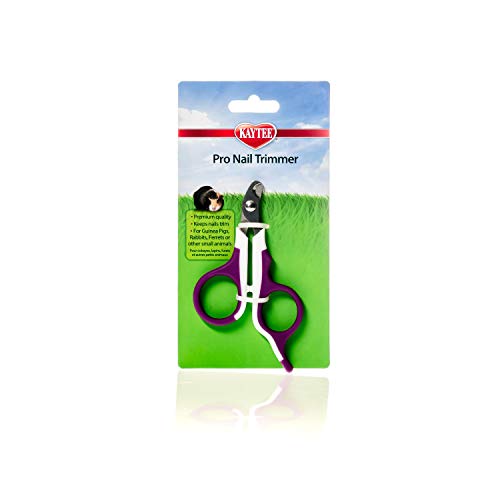
Rabbits lack protective paw pads, relying on foot fur instead, so hard or damp flooring, excess weight, and inactivity can cause sore hocks, known as pododermatitis: painful, ulcerated heels. Soft, clean, dry flooring and a healthy weight prevent most cases. Overgrown nails are a related issue that shifts weight onto the hock and makes movement awkward, so regular trims matter. Our sore hocks guide walks through prevention and treatment.
Other Conditions to Know
- Flystrike: Flies lay eggs on a soiled or damp rabbit, and hatching maggots attack the skin. It is a dire emergency, and prevention means keeping the bottom clean and dry, especially in warm weather.
- Heatstroke: Rabbits tolerate cold far better than heat. Panting, drooling, and collapse in hot weather need immediate cooling and veterinary care.
- Uneaten cecotropes: Soft droppings left around often signal a diet too rich in pellets and treats, or another health issue.
- Arthritis in seniors: Older rabbits can develop stiff, sore joints, affecting grooming and litter habits.
- Reproductive cancers: Unspayed females are at high risk of uterine cancer, which is why spaying is widely recommended.
The Common Thread: Prevention
Notice how often the same foundations appear across all these conditions. The pillars of rabbit health are simple:
- Hay first: Unlimited grass hay at roughly 80 percent of the diet protects teeth and gut.
- Measured pellets and daily greens: A small pellet portion and a varied salad, with treats kept tiny.
- Clean, roomy housing: Soft dry flooring and space to exercise prevent sore hocks and sluggish guts.
- Good hygiene and ventilation: Reduces respiratory and parasite problems.
- Daily observation: Check eating, droppings, and behavior every day.
- Weekly weigh-ins and regular vet care: Catch slow problems early.
No rabbit is guaranteed perfect health, and genetics and bad luck play their part. But an owner who feeds a hay-first diet, keeps a clean and comfortable home, watches closely, and has a rabbit-savvy vet on call prevents or catches the vast majority of common problems. Each linked guide goes deeper, so explore the ones most relevant to your rabbit, and lean on your exotic vet whenever something seems off.
Related Guides
- GI Stasis in Rabbits - The most common rabbit emergency.
- Dental Disease and Molar Spurs - Why hay protects your rabbit's teeth.
- Signs Your Rabbit Is Sick - Spot the subtle early clues.
Editor's Pick · Affiliate link
A Chew-Proof Two Storey Hutch
Rabbits chew everything, and a wooden hutch becomes a repair project and a health risk once it is soaked and gnawed. A full metal frame with two levels gives the vertical space rabbits actually use, and it survives the chewing that destroys cheaper housing.
Frequently Asked Questions
What are the most common health problems in rabbits?
The conditions rabbit owners encounter most often are GI stasis, dental disease and molar spurs, respiratory infections known as snuffles, E. cuniculi, head tilt, sore hocks, and overgrown nails. Many of these are connected: dental pain can trigger stasis, and snuffles can spread to the ears and cause head tilt. The reassuring theme is that most are preventable or very treatable when caught early. A hay-first diet, a clean and roomy home, and attentive daily observation prevent or catch the majority of these problems before they become serious.
What is the number one rabbit emergency?
GI stasis, a slowing or stopping of the digestive system, is the most common life-threatening emergency in pet rabbits. It is usually a symptom of another problem such as pain, stress, dehydration, or a low-fiber diet, and it can become fatal within a day or two if untreated. The hallmark signs are a rabbit that stops eating, produces fewer or no droppings, and sits hunched in pain. Because of how fast it progresses, a rabbit not eating for 12 hours should be treated as an emergency needing a same-day vet visit.
Are most rabbit health problems preventable?
A great many are, which is encouraging. Feeding unlimited grass hay as around 80 percent of the diet prevents much dental disease and GI stasis. Soft, clean, dry flooring prevents sore hocks. A calm, well-ventilated, hygienic home reduces respiratory flares and stress-related illness. Regular nail trims, weekly weigh-ins, daily litter-box checks, and annual vet exams catch problems early. You cannot prevent everything, since genetics and parasites like E. cuniculi play a role, but good husbandry dramatically lowers the odds of the most common conditions and helps you spot trouble fast.
Do rabbits need vaccinations?
It depends on where you live. In some regions, vaccines are strongly recommended or routine to protect rabbits against serious viral diseases such as rabbit hemorrhagic disease, known as RHDV, and myxomatosis. Availability and recommendations vary by country and even by region, so the best step is to ask a rabbit-savvy or exotic vet what is advised in your area. Even where vaccines are not standard, your vet can explain the local disease risk and any preventive measures. This is a good topic to raise at your rabbit's annual wellness exam.
How can I tell if my rabbit is sick before it gets serious?
Because rabbits hide illness, the earliest signs are subtle: eating less, ignoring favorite foods, producing fewer or smaller droppings, sitting hunched, grinding teeth, becoming withdrawn, or losing weight. Knowing your rabbit's normal appetite, droppings, posture, and personality lets you notice when something shifts. Checking the litter box daily and weighing your rabbit weekly are simple habits that catch problems early, often before any dramatic symptom appears. When you notice a change, especially in eating or droppings, treat it seriously and contact your vet rather than waiting.
What should be in a rabbit first aid and care kit?
A practical kit includes a high-fiber recovery food like Critical Care, needle-free feeding syringes, infant simethicone for gas, a gram scale for weighing, a soft towel, and a styptic powder for minor nail bleeding. Keep your vet and emergency clinic numbers and a ready carrier with the kit. The goal is not to replace the vet but to support your rabbit while you arrange care and to handle minor issues calmly. Always check with your vet before giving any medication, and use the kit alongside professional guidance, not instead of it.
How long do pet rabbits live and how does that affect health care?
Most pet rabbits live around 8 to 12 years with good care, far longer than many people expect, which makes long-term health management important. As rabbits age, they become more prone to dental problems, arthritis, and organ changes, so senior rabbits benefit from twice-yearly vet checks and a little extra attention to comfort, weight, and mobility. Thinking of your rabbit as a decade-long companion encourages the kind of consistent diet, housing, and preventive care that keeps them healthy and happy across all their life stages.
Need more help caring for your rabbit?
Browse our guides by topic to find practical solutions.
Wellness Planner: $39