Best Litter for Rabbits: Safe, Absorbent Picks
The best rabbit litters compared: recycled paper pellets, kiln-dried wood-stove pellets, and more. Which are safe, which to avoid, and how to keep odor down.
Choosing rabbit litter is mostly about safety. Because rabbits graze on hay right over their litter box and nibble at anything within reach, the litter underneath has to be harmless if a piece ends up in their mouth, and gentle enough not to irritate their sensitive lungs or feet. Get that right and the rest, odor control and cost, falls into place easily.
Below we compare the litters that exotic vets and the House Rabbit Society consider safe, plus a clear note on the popular products that are not. Our picks reflect safety standards, absorbency, and verified owner reviews rather than hands-on testing, so use your own rabbit's comfort as the final word.
Best Rabbit Litters

Small Pet Select Recycled Paper Pellet Litter
Soft, 99% dust-free paper pellets, gentle on sensitive feet

Fresh News Recycled Paper Litter, 10L
Budget-friendly paper bedding that is safe and absorbent

Small Pet Select Pine Pellet Bedding, 20 lb
Kiln-dried pine pellets, very absorbent and economical in bulk

Kaytee Natural Wood Pellet Litter
Low-dust kiln-dried wood pellets for strong odor control
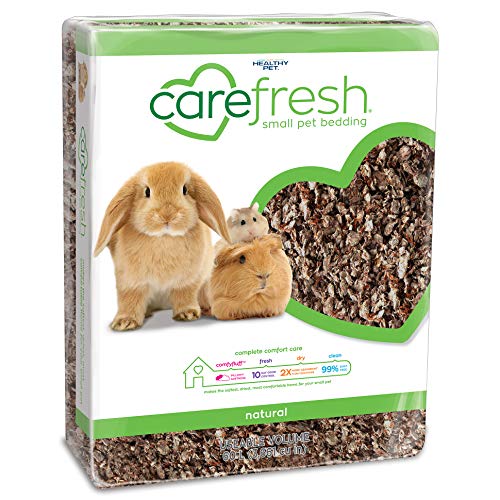
Carefresh Dust-Free Paper Bedding
Fluffy paper bedding, a soft option for shallow litter pans
How We Chose
We prioritized litters that are safe if nibbled, low in respiratory-irritating dust, absorbent enough to control ammonia odor, and gentle on the underside of a rabbit's feet to reduce the risk of sore hocks. We weighed verified owner feedback on dust, odor, and tracking. These recommendations follow mainstream rabbit-care guidance, not laboratory testing, and any litter should be paired with a generous pile of hay on top.
Recycled Paper Pellets: The Easy Winner
Recycled paper pellet litter is the choice most rabbit owners settle on, and for good reason. It is soft underfoot, almost dust-free, highly absorbent, and completely safe if a rabbit mouths a piece. The softness is especially valuable for rabbits with thin foot fur or a tendency toward sore hocks. Paper pellets do cost more than wood, but a thin layer goes a long way, and the comfort and low dust make them worth it for most homes.
Kiln-Dried Wood-Stove Pellets: Best Value
If budget matters, plain kiln-dried wood-stove or horse-bedding pellets are hard to beat. The kiln-drying process removes the aromatic oils that make raw pine and cedar shavings unsafe, leaving an absorbent, odor-fighting pellet you can buy in large bags cheaply. They turn to sawdust when wet, which conveniently shows when it is time to change them. Just confirm the bag lists no accelerants, glues, or added fragrances before buying.
Rabbit Care Planner
Track your rabbit's health, meds, vet visits, mobility, nutrition, and quality of life, all in one printable planner.
Paper Bedding for Shallow Pans
Soft, fluffy paper bedding is more of a bedding than a true litter, but some owners use it in shallow pans or for rabbits who dislike the firm feel of pellets. It is dust-free and comfortable, though it is less absorbent for urine than pellets and needs changing more often. It can be a nice top layer for comfort, but for the working part of the box, pellets handle odor and moisture better.
What to Avoid
Some popular pet-aisle products are genuinely risky for rabbits. Keep these out of the box entirely.
| Litter type | Why to avoid it |
|---|---|
| Clumping clay cat litter | Swells if swallowed, can cause blockage; dusty |
| Crystal or silica litter | Harmful if ingested; sharp dust |
| Cedar shavings | Aromatic oils harm the liver and airways |
| Raw softwood pine shavings | Phenols irritate the respiratory system |
| Scented or deodorizing litters | Fragrances irritate sensitive lungs |
The Bottom Line
For most rabbits, recycled paper pellets give the best mix of safety, comfort, and low dust, while kiln-dried wood-stove pellets win on price without sacrificing safety. Whatever you choose, keep the litter layer thin, pile fresh hay on top, scoop daily, and steer well clear of clumping, crystal, cedar, and scented products. If your rabbit develops sore-looking feet or any breathing changes, switch to a softer, lower-dust litter and check in with a rabbit-savvy exotic vet.
Related Litter Guides
- Litters to Avoid for Rabbits - The full danger list and why.
- Best Rabbit Litter Boxes - Pans sized and shaped for bunnies.
- Hay and the Litter Box - Why hay belongs right over the litter.
Editor's Pick · Affiliate link
A Chew-Proof Two Storey Hutch
Rabbits chew everything, and a wooden hutch becomes a repair project and a health risk once it is soaked and gnawed. A full metal frame with two levels gives the vertical space rabbits actually use, and it survives the chewing that destroys cheaper housing.
Frequently Asked Questions
What is the safest litter for a rabbit?
The safest litters for rabbits are recycled paper pellets and kiln-dried wood-stove pellets, because both are absorbent, low in dust, and harmless if a curious rabbit nibbles a piece. Rabbits often eat hay right over the box, so a litter that is safe to mouth matters. Avoid clumping clay cat litter, cedar shavings, softwood pine shavings, and clay, all of which can harm a rabbit's lungs or digestive tract if inhaled or swallowed.
Can I use wood pellets meant for stoves as rabbit litter?
Yes, plain kiln-dried wood-stove or horse-bedding pellets are a popular, economical rabbit litter as long as they contain no accelerants, glues, or added scents. The kiln-drying process drives off the aromatic oils that make raw pine and cedar shavings risky. They are highly absorbent and break down into sawdust when wet, which signals time to change them. Many owners buy them in large bags for a fraction of the cost of pet-branded litter.
Is paper pellet litter or wood pellet litter better?
Both are excellent, so the choice comes down to preference and budget. Paper pellets are very soft, nearly dust-free, and gentle on sensitive feet, which suits rabbits prone to sore hocks. Wood-stove pellets are usually cheaper, control odor strongly, and are very absorbent, but they are firmer underfoot. Many owners use paper for comfort and wood pellets for value. Whichever you pick, top the litter with plenty of hay, since that is what your rabbit should be eating.
Why can't I use clumping cat litter for rabbits?
Clumping clay cat litter is dangerous for rabbits because they nibble in and around the box. If swallowed, the clay swells and can cause a serious intestinal blockage, and the fine dust irritates a rabbit's delicate respiratory system. Crystal and silica litters carry similar risks. Rabbits do not bury their waste the way cats do, so they gain nothing from clumping litter and only face the hazards. Stick to paper or wood-stove pellets instead.
How much litter should I put in the box?
A thin layer about one inch deep is plenty for most rabbits. The goal is enough litter to absorb urine and control odor, not a deep bed. Rabbits do not dig to cover their waste, so a thick layer just wastes litter. Pile fresh hay generously on top of that thin litter base, because the hay is what draws your rabbit to sit and graze in the box. Scoop daily and fully change every few days.
How often should I change rabbit litter?
Scoop wet litter and stray droppings daily, then do a full change of the entire box every two to four days depending on how many rabbits share it and how strong the odor gets. A clean box keeps litter habits strong, since rabbits will sometimes avoid a box that has become too soiled. Wash the pan with diluted white vinegar during full changes to cut mineral buildup from rabbit urine, which is naturally high in calcium.
Does rabbit litter help with smell?
Yes, a good absorbent litter under a layer of hay controls most odor, and rabbit urine smell comes mainly from ammonia building up in a soiled box. Paper and wood-stove pellets both lock in moisture well. The most effective odor control is simply frequent cleaning rather than scented additives, which can irritate a rabbit's lungs. If smell persists despite daily scooping, a spay or neuter often reduces the strong odor of intact-rabbit urine.
Need more help caring for your rabbit?
Browse our guides by topic to find practical solutions.
Wellness Planner: $39