Best Rabbit Cages and Pens 2026
Compare 6 of the best rabbit cages, exercise pens, and hutches for 2026. Roomy, safe enclosures with solid flooring, plus how much space your bunny really needs.
Where your rabbit lives shapes how happy and healthy it will be. Rabbits are active, curious animals that need room to hop, stand up tall, stretch out, and explore, far more space than the cramped cages sold in many pet stores. The good news is that a roomy exercise pen or a thoughtful free-roam setup is usually cheaper and better than a small cage, and it grows with your rabbit as it earns more territory.
We compared popular rabbit enclosures using published dimensions, panel height, flooring and materials, ventilation, and the recurring themes in verified owner reviews. We did not test these in our own home. Instead we judged each one against rabbit welfare guidance: generous floor space, solid traction-friendly flooring to prevent sore hocks, adequate height, and easy cleaning. Below are six we recommend, a comparison table, and guidance for setting up a safe rabbit home.
Best Rabbit Cages and Pens 2026

VISCOO 12-Panel Small Animal Playpen
48 by 24 inch wire playpen with a waterproof mat, a roomy and affordable home base for one rabbit.

VISCOO 32-Panel Playpen, Taller
47.5 by 23.7 by 31.5 inch expandable pen with a higher wall for jumpers and more configurable space.

Pawaboo Playpen with Zippered Cover
Portable pen with a zip-on top and waterproof base, handy for supervised outdoor or travel use.
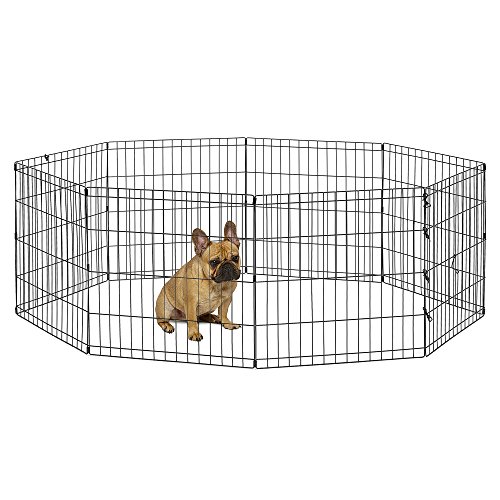
New World 24-Inch Folding Exercise Pen
Sturdy 16 sq ft folding metal pen with a secure no-door design that sets up in seconds.

SNAAT Rabbit Cage with Pull-Out Tray
Enclosed cage with a transparent door and leak-proof waste tray, a tidy litter and feeding base.

mayugardening 2-Story Wooden Rabbit Hutch
Indoor or outdoor wooden hutch with two leak-proof trays, a ramp, and wheels for easy moving.
How Do These Rabbit Enclosures Compare?
| Enclosure | Price | Type | Best For |
|---|---|---|---|
| VISCOO 12-Panel Pen | $32 | Exercise pen | Roomy home base, best value |
| VISCOO 32-Panel Pen | $47 | Tall pen | Jumpers, configurable space |
| Pawaboo Covered Pen | $22 | Covered pen | Supervised outdoor, travel |
| New World 24-in Pen | $32 | Folding pen | Quick setup, secure no-door |
| SNAAT Cage with Tray | $55 | Cage | Tidy litter and feeding base |
| 2-Story Wooden Hutch | $75 | Hutch | Indoor or secure outdoor use |
How We Picked These Enclosures
We did not build and test these enclosures ourselves. Instead we compared dimensions, panel height, flooring, materials, and ventilation against rabbit welfare guidance, then weighed the patterns in verified owner reviews. We prioritized floor space first, because cramped housing is the most common rabbit-care mistake and rabbits need room to hop and stretch. We favored exercise pens for their generous, expandable space and solid or matted flooring that protects against sore hocks, an injury linked to wire floors. We also looked at height for jumpers, ease of cleaning, and secure construction. Cages and hutches earned spots as a tidy home base or an outdoor option, but always alongside daily exercise. Confirm the best setup for your individual rabbit with a rabbit-savvy vet.
A Closer Look at Each Enclosure
VISCOO 12-Panel Small Animal Playpen
Our top overall pick gives a single rabbit a roomy 48 by 24 inch footprint with a waterproof mat included, all at a budget price. The wire panels fold flat for storage and cleaning, and you can reconfigure the shape to fit your room or expand it later. The included mat protects your floor and gives traction, which helps prevent sore hocks. It is the kind of practical, expandable setup welfare groups recommend over a cramped cage.
Pros: Generous floor space, waterproof mat included, folds flat, great value.
Cons: Lower walls may not contain enthusiastic jumpers.
VISCOO 32-Panel Playpen, Taller
If your rabbit treats a short pen as a suggestion, this taller 31.5-inch version adds height to keep determined hoppers contained. The 32-panel system is highly configurable, so you can build a larger or oddly shaped enclosure to suit your space. It comes with an upgraded waterproof mat. The extra panels and height make it a step up for energetic or larger rabbits that need both room and a wall they cannot clear.
Pros: Taller walls for jumpers, very configurable, waterproof mat.
Cons: Pricier than the 12-panel; more panels to assemble.
Pawaboo Playpen with Zippered Cover
This pen adds a zip-on top, which makes it handy for supervised outdoor time or travel where an open pen would not be secure. The waterproof base protects against damp ground, and the whole thing is portable enough to move to a sunny-but-shaded patch of yard. Treat it as a supervised play space rather than permanent housing, and never leave a rabbit unattended outdoors where predators or heat could be a danger.
Pros: Zip-on cover, waterproof base, portable for supervised outdoor use.
Cons: Smaller and lighter; for supervised time, not full-time living.
New World 24-Inch Folding Exercise Pen
A sturdy, no-frills metal pen that delivers 16 square feet of play space and sets up in seconds. The secure no-door design removes a common escape and weak point, and the panels fold flat when not in use. It is a dependable, simple option for creating an instant rabbit area in any room. Pair it with a solid mat for traction, since the pen itself provides the walls but not the flooring.
Pros: Quick setup, secure no-door design, folds flat, durable metal.
Cons: No floor included; 24-inch height may not stop jumpers.
SNAAT Rabbit Cage with Pull-Out Tray
For owners who want a defined home base, this enclosed cage pairs a transparent door with a leak-proof pull-out waste tray that makes daily cleaning fast. It works well as a litter, food, and sleeping station inside a larger pen or free-roam area. Use it as part of a bigger setup rather than the whole world for your rabbit, and add solid flooring or a mat so your bunny is never standing on bare wire.
Pros: Easy-clean pull-out tray, clear door, tidy home base.
Cons: Too small for full-time living on its own; needs added exercise space.
2-Story Wooden Rabbit Hutch
This wooden hutch suits owners who want an indoor or secure outdoor option, with two leak-proof pull-out trays, a connecting ramp, and wheels for easy moving. The two levels add usable space and a place to hide, which rabbits appreciate. For outdoor use, position it in shade, keep it dry and predator-proof, and watch temperatures closely, since rabbits are far more vulnerable to heat than cold. Indoors, it makes a cozy, contained base.
Pros: Two levels, leak-proof trays, ramp and wheels, indoor or outdoor.
Cons: Wood is harder to deep-clean; outdoor use needs careful weather and predator management.
Setting Up a Safe Rabbit Home
- Prioritize space. Choose a roomy pen over a small cage, and give daily out-of-pen exercise time.
- Skip wire floors. Use solid flooring or mats with traction to prevent painful sore hocks.
- Bunny-proof the area. Protect cords, baseboards, and houseplants, since rabbits chew and dig by nature.
- Add the essentials. A corner litter box, a hay feeder, water, a hide, and chew toys make a pen a proper home.
- Mind the weather outdoors. Keep outdoor rabbits shaded, ventilated, dry, and predator-safe, and ask your vet about RHDV vaccination.
A good enclosure is the backdrop for a happy rabbit, but daily exercise, enrichment, and companionship matter just as much. If your rabbit develops sore feet, stops moving normally, or seems withdrawn in its space, check in with a rabbit-savvy or exotic vet. This guide is educational and does not replace professional veterinary advice.
Rabbit Care Planner
Track your rabbit's health, meds, vet visits, mobility, nutrition, and quality of life, all in one printable planner.
Several of these enclosures now have a full single-product review: Ferplast Krolik XXL, Living World Deluxe Habitat, GUTINNEEN 2-story hutch, GDLF 62 inch hutch and MidWest Deluxe cage.
Editor's Pick · Affiliate link
A Chew-Proof Two Storey Hutch
Rabbits chew everything, and a wooden hutch becomes a repair project and a health risk once it is soaked and gnawed. A full metal frame with two levels gives the vertical space rabbits actually use, and it survives the chewing that destroys cheaper housing.
Frequently Asked Questions
How much space does a pet rabbit really need?
More than most pet-store cages provide. Rabbit welfare groups recommend an exercise pen or free-roam setup over a small cage, with enough room for a rabbit to take several hops, stand fully upright on its hind legs, and stretch out flat. A common guideline is a base enclosure of at least 8 square feet plus a connected exercise area of 24 square feet or more, with daily out-of-pen time. An exercise pen is usually a better, roomier value than a traditional cage.
Are exercise pens better than rabbit cages?
For most owners, yes. A wire exercise pen gives far more floor space than a typical cage for a similar price, folds flat for cleaning, and can expand as your rabbit's territory grows. Pens also make it easy to bunny-proof a room gradually. Traditional cages can work as a home base or litter and food station, but on their own they are usually too cramped. Many owners use a pen for the main living space and skip the small cage entirely.
What flooring is safe for a rabbit enclosure?
Avoid wire flooring, which can cause sore hocks (pododermatitis), a painful pressure injury to the bottom of a rabbit's feet. Choose solid flooring with traction, such as a washable mat, low-pile rug, foam tiles, or fleece, so your rabbit can grip and rest comfortably. Many pens include a waterproof mat, which protects your floor and gives grip. Add a litter box in one corner and your rabbit will usually keep the rest of the space tidy.
How tall should a rabbit pen be?
Pick a pen at least 30 to 36 inches tall for most rabbits, and taller for energetic or larger breeds that can jump surprisingly high. Some rabbits clear a 24-inch pen with ease, especially when excited or doing a binky. If your rabbit is a jumper, choose a taller pen or add a clip-on top. Always supervise outdoor pen time, since rabbits can also dig under low panels to escape.
Can rabbits live outdoors in a hutch?
Rabbits can live outdoors in a secure, weatherproof hutch, but it takes more care to keep them safe. The hutch must be predator-proof, well-ventilated, shaded, dry, and protected from temperature extremes, since rabbits suffer badly in heat. Outdoor rabbits are also at higher risk from RHDV and parasites, so ask your vet about vaccination where available. Many owners now keep rabbits indoors as house pets, which makes bonding easier and protects them from weather and predators.
How do I clean a rabbit enclosure?
Spot-clean the litter box and any soiled areas daily, and do a fuller clean weekly. Most pens and trays wipe down easily with a pet-safe cleaner or a diluted vinegar solution, then rinse and dry. Wash fabric mats and fleece regularly. A litter-trained rabbit keeps most of the mess in one corner, which makes cleaning quick. Good hygiene helps prevent flystrike in warm months and keeps your rabbit's feet and coat healthy.
Need more help caring for your rabbit?
Browse our guides by topic to find practical solutions.
Wellness Planner: $39