Best Rabbit Carriers 2026
Compare 6 of the best rabbit carriers for 2026: secure, well-ventilated travel carriers for vet trips and journeys that keep your bunny calm, safe, and comfortable.
Every rabbit needs a good carrier, even the most dedicated homebody. Vet visits are a fact of life, and rabbits hide illness so well that when they do need care it is often urgent, which is no time to be hunting for a safe way to transport them. A well-chosen carrier keeps your bunny secure and calm, makes loading and unloading at the clinic far less stressful, and gives you a familiar den to reach for in an emergency. It is one of those quiet essentials that earns its keep the moment you need it.
We compared popular rabbit and small-pet carriers using listed size, ventilation, security, design, value, and the recurring themes in verified owner reviews. We did not test these with our own rabbits. Instead we judged each one against what rabbit-savvy vets and experienced owners look for: enough room to lie down and turn, secure latches a rabbit cannot escape, good airflow, and easy loading, ideally from the top. Below are six we recommend, a comparison table, and tips for stress-free travel.
Best Rabbit Carriers 2026

PINVNBY Breathable Bunny Travel Carrier
Rabbit-specific carrier with mesh ventilation and a secure design for vet trips and outings.

WEVONIGU Rabbit Travel Carrier Bag
Soft small-animal carrier built for rabbits and other small pets, with breathable panels and a cozy interior.

LAIRIES Small Animal Carrier Bag
Lightweight portable carrier for guinea pigs, rabbits, and other small pets, easy to sling and go.
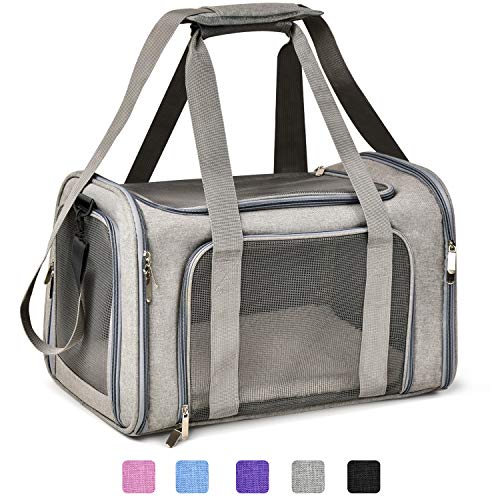
Henkelion Pet Carrier for Small Cats & Rabbits
Sturdy carrier rated for pets up to 15 pounds with mesh windows, suitable for larger rabbits.

ZaneSun Soft-Sided Foldable Travel Carrier
Comfortable foldable soft carrier with good ventilation that packs flat for storage between trips.

GAPZER Top-Load Soft Travel Carrier
Collapsible top-loading carrier rated over 15 pounds, with a roomy interior for bigger bunnies.
How Do These Rabbit Carriers Compare?
| Carrier | Price | Type | Best For |
|---|---|---|---|
| PINVNBY Bunny Carrier | $20 | Soft, rabbit-specific | Everyday vet trips |
| WEVONIGU Carrier | $18 | Soft small-animal | Cozy travel |
| LAIRIES Carrier Bag | $17 | Lightweight sling | Small rabbits, short trips |
| Henkelion Carrier | $23 | Structured soft-sided | Larger rabbits |
| ZaneSun Foldable | $14 | Foldable soft-sided | Budget, easy storage |
| GAPZER Top-Load | $28 | Top-loading soft | Nervous, bigger bunnies |
How We Picked These Carriers
We did not run a hands-on travel lab. Instead we compared listed dimensions, ventilation, security, and value against what rabbit-savvy vets and seasoned owners advise, then weighed the consistent patterns in verified owner reviews. Security came first, since an escape during travel is dangerous: we looked for sturdy zippers and latches a rabbit cannot nose or chew open. Ventilation mattered next, because rabbits overheat easily and need steady airflow. We favored carriers roomy enough to lie down and turn in, and gave extra credit to top-loading designs, which make lifting a nervous rabbit in and out far gentler than a front door alone. Value and easy cleaning rounded out the picks. No carrier replaces a rabbit-savvy or exotic vet, and any rabbit that stops eating before or after travel needs prompt attention.
A Closer Look at Each Carrier
PINVNBY Breathable Bunny Travel Carrier
Our top overall pick is designed specifically for rabbits, with generous mesh ventilation to keep airflow up and a secure, den-like interior that helps a bunny feel safe. Because it is made with rabbits in mind rather than adapted from a cat product, the proportions and security details tend to suit them well. It hits a sweet spot of comfort, breathability, and price that makes it an easy everyday recommendation for routine vet runs.
Pros: Rabbit-specific design, excellent ventilation, secure.
Cons: Soft sides offer less crush protection than rigid carriers.
WEVONIGU Rabbit Travel Carrier Bag
Another carrier built around small pets, with breathable panels and a cozy interior that suits rabbits who travel better when they feel tucked in. It is lightweight and easy to carry, and the soft construction gives a snug, reassuring fit for calmer bunnies. For owners who want a comfortable, affordable everyday carrier and mostly make short, smooth trips, it is a dependable choice.
Pros: Cozy and breathable, lightweight, good value.
Cons: Best suited to calm rabbits and shorter journeys.
LAIRIES Small Animal Carrier Bag
This lightweight sling-style carrier is an easy grab-and-go option for small rabbits and short outings. Its portability is the draw: it is simple to carry and store, and the breathable design keeps your bunny comfortable on quick trips. It is best matched to smaller rabbits given its compact footprint, and for owners who value a light, no-fuss carrier for the occasional short vet visit it does the job nicely.
Pros: Very portable, breathable, inexpensive.
Cons: Compact size suits smaller rabbits only.
Henkelion Pet Carrier for Small Cats and Rabbits
Rated for pets up to about 15 pounds, this more structured soft-sided carrier suits larger rabbits that need extra room and a bit more support. The mesh windows provide good ventilation and visibility, and the firmer build holds its shape better than a floppy bag, which many owners prefer for car travel. It is a solid pick if your rabbit is on the bigger side or you want a carrier with a little more substance.
Pros: Roomy for larger rabbits, good ventilation, holds its shape.
Cons: Larger footprint takes more storage space.
ZaneSun Soft-Sided Foldable Travel Carrier
The budget-friendly choice here, this foldable carrier offers good ventilation and packs flat when not in use, which is handy if storage space is tight. It is comfortable and light for short trips, and the low price makes it an easy first carrier or a spare to keep in the car. As with any soft carrier, check that the zippers feel secure before relying on it for a wriggly passenger.
Pros: Lowest price, folds flat, well ventilated.
Cons: Lightweight build is best for short, calm trips.
GAPZER Top-Load Soft Travel Carrier
For nervous or larger rabbits, a top-loading design is a real comfort, and this collapsible carrier is rated for pets over 15 pounds. Being able to gently lower your rabbit in from above, rather than coax it through a front door, takes much of the stress out of loading a frightened bunny. The roomy interior gives bigger rabbits space to settle, and it collapses for storage between trips. It is the priciest pick, but the top access earns its place.
Pros: Easy top loading, roomy, collapsible.
Cons: Highest price in the group.
Tips for Stress-Free Rabbit Travel
- Make it familiar. Leave the carrier out at home with hay and treats so it is not only linked to scary trips.
- Add home scent. Line it with a towel or bedding that smells familiar, plus a handful of hay.
- Keep it cool and stable. Rabbits overheat easily, so ensure airflow, avoid hot cars, and drive smoothly.
- Bring a friend. A bonded companion riding along can calm both rabbits.
- Check before you go. Make sure your rabbit is eating and passing droppings normally before any journey.
A good carrier turns a stressful vet trip into a manageable one, and having a familiar, secure carrier ready means you are never scrambling in an emergency. Keep hay and a familiar towel inside, keep your rabbit cool, and if your bunny stops eating or seems unwell before or after travel, contact a rabbit-savvy or exotic vet promptly. This guide is educational and does not replace professional veterinary advice.
Rabbit Care Planner
Track your rabbit's health, meds, vet visits, mobility, nutrition, and quality of life, all in one printable planner.
The top-loading hard carrier now has a full review: Amazon Basics 2-door top-load carrier.
Editor's Pick · Affiliate link
A Chew-Proof Two Storey Hutch
Rabbits chew everything, and a wooden hutch becomes a repair project and a health risk once it is soaked and gnawed. A full metal frame with two levels gives the vertical space rabbits actually use, and it survives the chewing that destroys cheaper housing.
Frequently Asked Questions
What size carrier does a rabbit need?
A rabbit carrier should be big enough for your rabbit to lie down flat and turn around comfortably, but not so cavernous that the rabbit slides around during travel. For most small and medium rabbits, a carrier in the range used for cats works well, while large breeds need a roomier one. Measure your rabbit stretched out and add several inches. The goal is a snug, secure space that feels den-like and safe, since rabbits feel calmer when they are not rattling around a huge empty box.
Are hard-sided or soft-sided carriers better for rabbits?
Both can work, and the best choice depends on the trip. Hard-sided carriers are sturdy, easy to clean, and protective, which many owners prefer for vet visits and car travel. Soft-sided carriers are lighter and cozier and often have more ventilation, which suits calm rabbits and short trips. Whichever you choose, look for good airflow, a secure zipper or latch a rabbit cannot nose open, and a top opening, since lifting a nervous rabbit out from above is far easier than dragging it through a front door.
How do I keep my rabbit calm in the carrier?
Familiarity helps enormously. Leave the carrier out at home with the door open and a few treats or hay inside so your rabbit explores it willingly rather than only seeing it before scary trips. Line it with a towel or a piece of bedding that smells like home, and add a handful of hay for comfort and snacking. Keep the carrier covered and stable in the car, drive smoothly, and avoid loud music. A bonded companion riding along can also reduce stress for both rabbits.
Should I put food and water in the carrier?
For short trips, a handful of hay and a couple of leafy greens are usually enough, and they double as comfort and hydration since greens carry moisture. Water bottles often leak and bowls spill in a moving carrier, so many owners skip standing water for short journeys and offer water at stops or on arrival. For longer travel, plan regular breaks to offer water and check on your rabbit. Always make sure your rabbit has eaten and is producing droppings normally before any trip.
Can I use a cat carrier for my rabbit?
Yes, many cat carriers work well for rabbits, which is why several of our picks are marketed for cats and small pets. The key features are the same: enough room to lie down and turn, secure latches, good ventilation, and ideally a top-loading opening. Just make sure the door gaps and ventilation holes are small enough that a rabbit cannot squeeze or chew its way out, and add a non-slip liner, since slick plastic floors can leave a rabbit scrambling for grip during the drive.
How do I get a scared rabbit into the carrier?
A top-opening carrier makes this much easier, since you can gently lower your rabbit in rather than wrestle it through a front door. Stay calm, support the rabbit's hindquarters fully, and avoid chasing, which only raises panic. Some owners back the rabbit in gently or guide it in with a trail of treats when there is time. If your rabbit regularly panics, practice short, treat-rewarded sessions at home so the carrier becomes familiar and far less frightening.
Need more help caring for your rabbit?
Browse our guides by topic to find practical solutions.
Wellness Planner: $39