How Much Hay Do Rabbits Need? Daily Amounts
How much hay do rabbits need? Why grass hay should be unlimited, a body-sized daily pile, how to tell if your bunny eats enough, and the best way to serve it.
One of the most common questions new rabbit owners ask is how much hay to give. With pellets and treats you measure carefully, so it feels natural to want a number for hay too. Here is the refreshing answer: with grass hay, more is better, and the practical goal is to never let it run out. Hay is the one food you do not have to ration.
That said, it helps to have a mental picture so you know whether your rabbit is eating a healthy amount. This guide gives you a simple target, explains why hay matters so much, and shows how to tell at a glance whether your bunny is grazing enough.
Keep the Hay Flowing

TiereCare Metal Hay Feeder Rack (2-Pack)
Keeps a generous pile clean, dry, and easy to graze all day

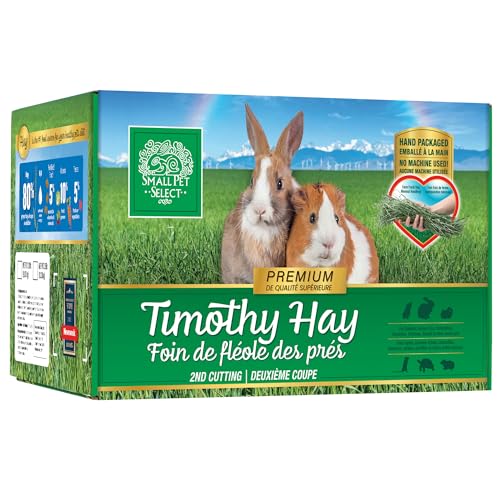
Small Pet Select 2nd Cutting Timothy, Bulk
Buying bigger keeps costs down for heavy daily hay eaters
The Simple Rule: A Body-Sized Pile Every Day
Forget exact cups and ounces. The everyday rule of thumb is that a rabbit should eat at least its own body size in hay each day, and ideally have unlimited access so it can graze whenever it wants. Picture a fluffy pile roughly as large as your rabbit, and keep refilling it as your bunny eats through it or kicks some aside. Rabbits naturally nibble in many small sessions throughout the day and night, so a steady supply matters more than a single big serving.
Because grass hay is high in fiber and low in calories, you genuinely cannot overfeed it. Unlimited timothy, orchard, or meadow hay will not make a rabbit fat. This is the opposite of pellets and treats, which must be carefully measured. So when in doubt, give more hay.
Why Rabbits Need This Much Fiber
The quantity makes sense once you understand what hay does inside a rabbit. The long strands of fiber keep the digestive tract in constant gentle motion. Rabbits cannot vomit, so their whole system depends on food flowing steadily from one end to the other. When fiber drops, the gut can slow or stop entirely, a serious and sometimes fatal condition called GI stasis.
At the same time, chewing tough hay grinds down teeth that never stop growing. A rabbit's molars and incisors grow continuously throughout life, and only lots of side-to-side chewing keeps them properly worn. Skimping on hay leads straight to overgrown teeth, molar spurs, and the painful misalignment called malocclusion. Eating plenty of hay is the single best thing a rabbit can do for both its gut and its teeth.
Rabbit Care Planner
Track your rabbit's health, meds, vet visits, mobility, nutrition, and quality of life, all in one printable planner.
How to Tell If Your Rabbit Eats Enough
You do not need to weigh hay to know if your rabbit is doing well. Two simple signs tell the story.
- The pile shrinks daily. A healthy rabbit visibly works through a body-sized pile of hay each day. If the hay sits largely untouched, something is off.
- Plenty of round droppings. Hay fiber drives output, so a rabbit eating well produces lots of evenly sized, round droppings in the litter box. Small, sparse, or misshapen droppings can signal that hay intake or gut movement has dropped.
If your rabbit picks out only the soft leafy bits and leaves the stems, or stops eating hay altogether, treat it as a warning sign. Dental pain is a common reason a rabbit avoids chewy hay, and it warrants a visit to a rabbit-savvy exotic vet.
Serving Hay So Your Rabbit Eats More
A few small habits dramatically increase how much hay a rabbit eats. Keep it fresh and fragrant, since rabbits turn up their noses at stale or dusty hay. Use a rack or feeder to keep it off the damp enclosure floor and out of soiled areas. And take advantage of a rabbit's instinct to eat and use the litter box at the same time by placing hay right next to the litter tray. Many owners use a combined hay-rack-and-litter-box setup for exactly this reason.
Setups That Encourage Grazing

Essenhome 3-in-1 Hay Feeder with Litter Box
Pairs the hay rack with the litter tray to boost grazing

Buying and Storing the Right Quantity
Since rabbits go through so much hay, plus what they trample and soil, buying in larger boxes or bulk bags is usually the economical choice, as long as you have a cool, dry, breathable place to store it. Keep hay in a cardboard box, paper sack, or fabric bin rather than a sealed plastic tub, which can trap moisture and invite mold. Good hay smells sweet and grassy and looks green; discard anything musty, gray, or damp.
The Bottom Line
Rabbits need a lot of hay, ideally unlimited, with a body-sized pile each day as the practical target. You cannot overfeed grass hay, and a rabbit that grazes constantly is a rabbit with a healthier gut and better teeth. Watch the pile and the litter box to confirm your bunny is eating well, keep hay fresh and conveniently placed, and check with a rabbit-savvy vet if hay intake suddenly drops.
Related Diet Guides
- Best Hay for Rabbits - Choosing the right type and cutting.
- Why Won't My Rabbit Eat Hay? - What to do when grazing stops.
- What Do Rabbits Eat? - The full daily diet at a glance.
Editor's Pick · Affiliate link
A Chew-Proof Two Storey Hutch
Rabbits chew everything, and a wooden hutch becomes a repair project and a health risk once it is soaked and gnawed. A full metal frame with two levels gives the vertical space rabbits actually use, and it survives the chewing that destroys cheaper housing.
Frequently Asked Questions
How much hay does a rabbit need per day?
A rabbit should eat at least its own body size in hay every day, and ideally have unlimited access so it can graze around the clock. Rather than measuring a strict amount, the goal is to never let the hay run out. A pile roughly as big as your rabbit, refreshed as it gets eaten or soiled, is a good visual target. Most healthy rabbits self-regulate hay well, so generous is better than stingy.
Can a rabbit eat too much hay?
No, grass hay is the one food a rabbit can have without limit. It is high in fiber and low in calories, so unlimited grass hay will not cause weight gain the way pellets or treats can. In fact, a rabbit eating lots of hay is exactly what you want. The only caution is that alfalfa, a richer legume hay, should be limited for adults, but grass hays like timothy and orchard can be truly unlimited.
Why does my rabbit need so much hay?
Hay does two essential jobs. Its long fiber keeps the digestive system moving, preventing the dangerous slowdown called GI stasis, and the constant chewing wears down teeth that grow continuously for life. A rabbit that does not eat enough hay is at real risk of gut stasis and painful dental problems like molar spurs. That is why hay, not pellets, is the heart of the diet.
How do I know if my rabbit is eating enough hay?
Watch the hay supply and the litter box. A healthy rabbit steadily works through a body-sized pile each day and produces lots of round, evenly sized droppings, since hay fiber drives gut output. If hay is barely touched, droppings shrink or become sparse, or your rabbit picks only the soft bits and leaves the stems, mention it to a rabbit-savvy vet, as it can point to dental pain or illness.
Should hay be available overnight?
Yes. Rabbits are most active at dawn and dusk and graze on and off through the night, so hay should be available 24 hours a day, including overnight. Going many hours without fiber raises the risk of gut slowdown. Fill the rack at night and again in the morning so there is always plenty, and place hay where your rabbit naturally rests or uses the litter box to encourage frequent nibbling.
How much hay will I go through in a week?
It varies by rabbit size and appetite, but a single average rabbit commonly works through a body-sized pile each day, which can add up to a pound or more of hay a week once waste is included. Rabbits naturally trample and soil some hay, so plan to buy in quantities that account for that. Buying larger boxes or bulk bags is usually more economical, provided you have dry storage.
Where should I put my rabbit's hay?
Rabbits love to eat and use the litter box at the same time, so placing a hay rack or pile right beside the litter box encourages both good habits at once. Keep hay off the damp floor of an enclosure using a rack or feeder to keep it clean and appealing. Many owners use a combined hay-feeder-and-litter setup, which keeps the area tidy and makes frequent grazing easy.
Need more help caring for your rabbit?
Browse our guides by topic to find practical solutions.
Wellness Planner: $39