How to Trim Rabbit Nails Safely at Home
A calm, step-by-step guide to trimming your rabbit's nails: finding the quick, the right clippers, safe holds, and what to do if a nail bleeds.
Trimming a rabbit's nails is one of those small chores that feels intimidating the first time and routine by the fifth. Pet rabbits do not wear their nails down the way wild rabbits do on rough ground, so the nails simply keep growing, curling, and eventually causing trouble. Overgrown nails snag on bedding and carpet, change how the foot bears weight, and contribute to sore hocks. The fix is a quick trim every few weeks, and once you understand where the quick is and how to keep your rabbit calm, it becomes a gentle part of your grooming routine.
This guide walks you through the tools, the technique, how to find the quick in both pale and dark nails, and exactly what to do if you accidentally nick one. It is educational and not a substitute for hands-on help from your rabbit-savvy exotic vet.
Nail-Trimming Kit for Rabbits

Candure Small Animal Nail Clippers
Sized and shaped for a rabbit's thin nails and easy control
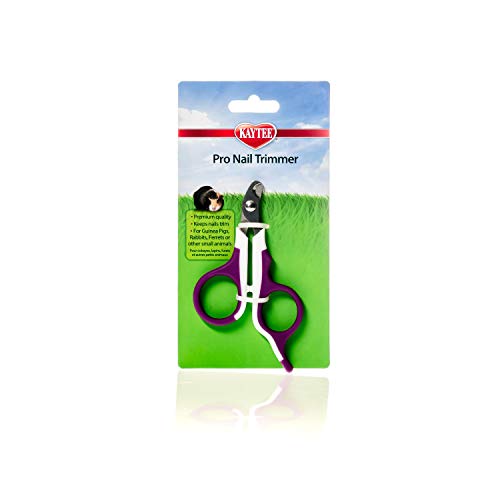
Kaytee Kaytee Small Pet Nail Trimmer
A budget-friendly trimmer made for small pets like rabbits

Why Nail Trims Matter
In the wild, rabbits dig and run across rough ground all day, which naturally files their nails. Pet rabbits living on carpet, fleece, and litter do not get that wear, so their nails grow unchecked. Left alone, they curl, force the toes out of position, snag and tear, and shift the foot so that more weight lands on the heel area called the hock. That extra pressure is one of the contributors to sore hocks, a painful foot condition. A few minutes with the clippers every four to six weeks prevents all of this.
Understanding the Quick
The single most important thing to learn is the quick. Each nail has a living core that carries a blood vessel and a nerve, and cutting into it hurts and bleeds. You always trim a few millimeters beyond the end of the quick.
- Pale or clear nails: Hold the nail up to the light and you will see a pink line running partway down from the base. Cut beyond where the pink ends.
- Dark nails: You cannot see the quick directly. Shine a small flashlight or phone light through the nail from behind, and the quick often appears as a shadow. When unsure, trim only the very tip.
The safe philosophy is simple: when in doubt, take less off and trim more often. You can always remove a little more, but you cannot put it back.
Choosing Your Tools
Small animal nail clippers or a small cat-style scissor clipper are ideal. They are sized for thin rabbit nails and give you control for a clean cut. Avoid bulky dog guillotine clippers, which can crush rather than slice. Keep a flashlight nearby for dark nails and, crucially, keep styptic powder within reach. Plain cornstarch or flour works in a pinch. Sharp blades make a cleaner cut that is less likely to splinter or startle your rabbit.
Rabbit Care Planner
Track your rabbit's health, meds, vet visits, mobility, nutrition, and quality of life, all in one printable planner.
Holding Your Rabbit Calmly
Rabbits are prey animals, so being restrained feels threatening. The goal is a secure, low-stress position, not a fight. Good options include sitting your rabbit on a non-slip surface and lifting one paw at a time, holding it gently in your lap, or wrapping it loosely in a towel with a single foot exposed, the so-called bunny burrito, which works wonderfully for wrigglers. A helper who offers a favorite forage and steadies the rabbit makes the whole job faster and calmer.
Please do not flip your rabbit onto its back to put it into a trance-like stillness. Although it looks calm, that state is actually a fear response, and it is stressful. A relaxed, upright rabbit is the kinder approach.
Step by Step
- Get your rabbit settled and have clippers, flashlight, and styptic powder ready.
- Gently part the fur around one toe so you can see the nail clearly.
- Locate the quick using light, then position the clippers a few millimeters beyond it.
- Make one clean, confident snip of the tip.
- Move to the next nail, taking breaks if your rabbit gets restless. There are nails on all four feet, plus a small dewclaw higher up on each front leg, so do not forget those.
- Finish with a treat and a gentle brush so the session ends happily.
You do not have to do all the nails at once. Splitting the job across two sessions is perfectly fine for an anxious rabbit.
If a Nail Bleeds
Even careful owners occasionally catch the quick, so do not panic if it happens. Press styptic powder, cornstarch, or flour firmly onto the nail tip for several seconds to stop the bleeding, then keep your rabbit on clean bedding and let it settle. The bleeding almost always stops quickly. Offer a treat and reassurance so the experience does not make future trims harder. If the bleeding will not stop after several minutes of pressure, or the toe looks injured, call your exotic vet.
When to Get Help
If your rabbit struggles fiercely, if you cannot see the quick confidently, or if you simply feel nervous, there is absolutely no shame in having an exotic vet, a vet tech, or a rabbit-savvy groomer do the trim. Many owners learn the technique by watching a professional first. What matters is that the nails get trimmed regularly so they never overgrow. However you manage it, keeping those nails short is a small, kind habit that keeps your rabbit hopping comfortably.
Related Guides
- How to Groom a Rabbit - Fit nail trims into a full grooming routine.
- Sore Hocks (Pododermatitis) - Why overgrown nails worsen foot problems.
- Best Brushes for Rabbits - Finish each trim with a brush your rabbit likes.
Editor's Pick · Affiliate link
A Chew-Proof Two Storey Hutch
Rabbits chew everything, and a wooden hutch becomes a repair project and a health risk once it is soaked and gnawed. A full metal frame with two levels gives the vertical space rabbits actually use, and it survives the chewing that destroys cheaper housing.
Frequently Asked Questions
How often should I trim my rabbit's nails?
Most rabbits need a nail trim every four to six weeks, though it varies with the individual and how much they dig and run on hard surfaces. Pet rabbits rarely wear their nails down naturally the way wild rabbits do, so the nails keep growing and curling if left alone. A good habit is to check the nails during your weekly grooming and trim whenever they start to extend past the fur or curve. Overgrown nails change how the foot bears weight and can lead to sore hocks and snagging injuries.
Where is the quick in a rabbit's nail?
The quick is the living core of the nail that contains the blood vessel and nerve. In pale or clear nails you can see it as a pink line running partway down from the base; you trim a few millimeters beyond where it ends. In dark nails you cannot see it, which makes a flashlight or phone light shone through the nail helpful, as the quick often shows as a shadow. When in doubt, trim only the very tip and take a little off more often. Cutting into the quick is painful and bleeds.
What if I cut the quick and the nail bleeds?
Stay calm; it looks worse than it is. Press styptic powder, or in a pinch cornstarch or flour, firmly onto the nail tip for a few seconds to stop the bleeding, then keep your rabbit on clean bedding and watch that it settles. The bleeding usually stops quickly. Comfort your rabbit and end the session on a positive note so the experience does not sour future trims. If bleeding does not stop after several minutes of pressure, or the toe seems injured, contact your exotic vet.
What kind of clippers should I use on a rabbit?
Small animal nail clippers or a small pair of cat-style scissor clippers work best, since they are sized for a rabbit's thin nails and give you control. Large dog guillotine clippers are awkward and can crush rather than cut. Keep the blades sharp, because a clean snip is less likely to splinter the nail or startle your rabbit. Many owners also keep styptic powder and a flashlight in their kit. Whatever tool you choose, let your rabbit sniff it first and go slowly.
How do I hold a rabbit to trim its nails?
Comfort and security matter more than any single position. Many rabbits do well sitting on a non-slip surface or wrapped gently in a towel with one foot exposed at a time, sometimes called a bunny burrito. Some owners trim with the rabbit sitting calmly in their lap, lifting one paw at a time. Never flip a rabbit onto its back into a trance to force the job, as this is stressful and not the calm state it appears. A second person to offer a treat and steady the rabbit makes everything easier.
Can I take my rabbit to a vet or groomer for nail trims?
Yes, and there is no shame in it. If your rabbit struggles fiercely or you are nervous about the quick, an exotic vet, a vet tech, or a rabbit-experienced groomer can trim the nails quickly and safely, often for a small fee. Many owners go this route at first and learn the technique by watching. Some continue having it done professionally for life. The most important thing is that the nails actually get trimmed regularly, whoever does it, so they do not overgrow and cause foot problems.
What happens if I never trim my rabbit's nails?
Left untrimmed, rabbit nails keep growing, curl around, and eventually force the toes into an unnatural position. Long nails change how the foot meets the ground, shifting pressure onto the hock and contributing to sore hocks, and they snag easily on carpet, bedding, and wire, which can tear the nail or even break a toe. Very overgrown nails can curl into the foot pad. Regular trimming is a simple way to prevent painful injuries and keep your rabbit moving comfortably.
Need more help caring for your rabbit?
Browse our guides by topic to find practical solutions.
Wellness Planner: $39