Sore Hocks in Rabbits (Pododermatitis)
Sore hocks, or pododermatitis, are painful sores on a rabbit's feet from hard flooring and damp bedding. Learn the causes, prevention, flooring, and treatment.
Sore hocks are one of those rabbit problems that sneak up slowly, often because the underside of a rabbit's feet is the last place an owner thinks to look. Yet the feet tell an important story about your rabbit's flooring, weight, and overall comfort. Known properly as pododermatitis, sore hocks range from mild thinning of the foot fur to painful open ulcers. The encouraging part is that most cases are preventable, and early ones are very manageable once you fix what caused them.
This guide walks you through why rabbits get sore hocks, how to spot them early, and what to do, both at home and with your vet. It is educational and not a substitute for veterinary care, especially once the skin is broken.
Sore-Hock Prevention Picks

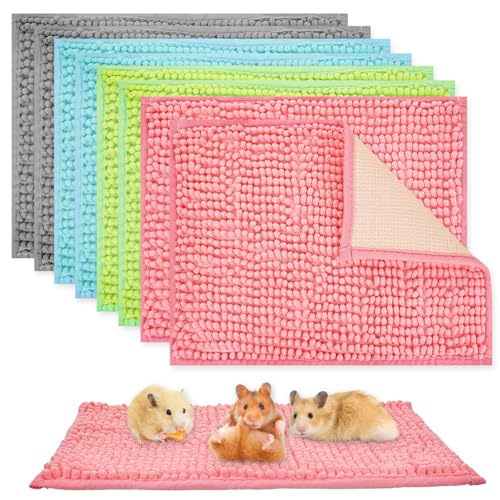
Agolctry Washable Cage Liner Pads
Absorbent, non-slip liners to keep resting areas soft and dry

Why Rabbits Get Sore Hocks
Here is a fact that surprises many new owners: rabbits do not have padded paws like cats and dogs. Instead, their feet are protected only by a layer of fur over the skin. The weight-bearing area on the back feet is the hock, the heel region the rabbit rests on when it sits. When the fur over the hock wears thin and the bare skin meets a hard, rough, or damp surface, the skin gets irritated, then calloused, then sore. Without the cushion of healthy fur, there is nothing to absorb the pressure.
That is why pododermatitis is fundamentally a pressure-and-environment problem. Fix the pressure and the environment, and you fix most of the disease.
The Main Risk Factors
- Hard or wire flooring: Wire-bottom cages and bare hard floors press directly on the hocks. This is the single biggest cause.
- Damp, dirty bedding: Moisture softens and irritates the skin, and urine and soiling speed up the damage.
- Being overweight: Extra body weight increases the load on the feet.
- Inactivity: A rabbit that sits in one spot all day keeps constant pressure on the same area.
- Large or heavy breeds: Big rabbits like Flemish Giants bear more weight per foot.
- Thin foot fur: Rex rabbits and some individuals naturally have less protective fur.
- Overgrown nails: Long nails tilt the foot backward, shifting weight onto the hock.
Most real-world cases involve a few of these at once, which is good news, because it means there are several levers you can pull to help.
Rabbit Care Planner
Track your rabbit's health, meds, vet visits, mobility, nutrition, and quality of life, all in one printable planner.
Spotting Sore Hocks Early
Make checking the feet part of your grooming routine. Gently turn your rabbit so you can see the bottoms of the hind feet, with help to keep it calm and supported, and look for:
- Thinning fur: A bald patch developing over the heel.
- Redness: Pink or red, inflamed-looking skin.
- Calluses: Thickened, hardened areas.
- Scabs or open sores: Broken skin, ulcers, or bleeding.
- Swelling: A puffy or enlarged hock.
- Behavior changes: Shifting weight, reluctance to move, or sitting in unusual positions.
Catching the thinning-fur stage is ideal, because it usually reverses once you remove the cause. Open sores need a vet.
Fixing the Flooring
Flooring is where most of the cure happens. Aim for surfaces that are soft, solid, and dry:
- Replace wire and hard floors: Cover them with thick fleece liners, cushioned washable mats, or soft non-slip rugs.
- Offer cozy resting spots: Give several soft places so your rabbit is not always on the same surface.
- Keep it dry: Spot-clean daily and wash bedding regularly, since dampness is a major driver.
- Give room to move: A larger space encourages activity, spreading pressure across the day.
Weight, Nails, and Activity
Beyond flooring, three more levers help a lot. Keep your rabbit at a healthy weight with a hay-first diet, since unlimited grass hay fills a rabbit up without the excess calories of pellets and treats. Keep the nails trimmed so the foot sits flat and bears weight correctly. And encourage daily exercise so your rabbit moves around rather than parking in one spot. Together these reduce both the pressure on the hocks and the time spent resting on any single area.
When to See the Vet
Mild redness and thinning fur often improve at home once you correct flooring, weight, and hygiene. But you should see a rabbit-savvy or exotic vet if you notice broken skin, open sores, swelling, bleeding, a foul smell, limping, or any sign of pain. Advanced pododermatitis can develop deep infection that reaches the underlying tissue, and that requires prescription treatment, proper wound care, and sometimes pain relief. Please do not apply random creams or try to bandage the foot yourself, as the wrong dressing can trap moisture and make things worse. Let your vet guide treatment.
With early attention and a few sensible changes, most rabbits keep healthy, comfortable feet for life. Soft floors, a trim figure, clean bedding, and a quick weekly foot check are simple habits that prevent a surprising amount of suffering.
Related Guides
- Signs Your Rabbit Is Sick - Subtle changes that signal pain or illness.
- Common Rabbit Health Problems - See sore hocks among other frequent conditions.
- When to Take a Rabbit to the Vet - Knowing when a sore needs professional care.
Editor's Pick · Affiliate link
A Chew-Proof Two Storey Hutch
Rabbits chew everything, and a wooden hutch becomes a repair project and a health risk once it is soaked and gnawed. A full metal frame with two levels gives the vertical space rabbits actually use, and it survives the chewing that destroys cheaper housing.
Frequently Asked Questions
What are sore hocks in rabbits?
Sore hocks, known medically as pododermatitis, is inflammation and sores on the underside of a rabbit's hind feet, usually on the heel area called the hock. Rabbits do not have protective paw pads like cats and dogs; they rely on a cushion of fur over the foot. When that fur wears thin and the skin is pressed against hard or wet flooring, it becomes red, calloused, ulcerated, and painful. Left untreated it can progress to deep infection, so it is worth catching and addressing early with your vet.
What causes sore hocks in rabbits?
The biggest culprits are hard, wire, or abrasive flooring and damp, dirty bedding that softens and irritates the skin. Other major factors include being overweight, which adds pressure on the feet, inactivity that keeps a rabbit sitting in one spot, large breeds and heavy-bodied rabbits, thin foot fur, and overgrown nails that change how the foot bears weight. Often several of these combine. A heavy rabbit on a wire-bottom cage with wet bedding is the classic recipe, which is why flooring and weight are the first things to fix.
How do I treat sore hocks at home?
Start by removing the cause: switch to soft, clean, dry flooring, give plenty of cushioned resting spots, and keep the area spotless. Help an overweight rabbit slim down with a hay-first diet, and keep nails trimmed. Mild early redness often improves once pressure and moisture are removed. However, any broken skin, open sore, swelling, or limping needs a vet, because pododermatitis can develop deep infection that requires prescription treatment. Do not apply random ointments without veterinary guidance, and never bandage a rabbit's foot on your own.
What is the best flooring to prevent sore hocks?
Solid, soft, and dry flooring is ideal. Replace any wire or hard surfaces with options like thick fleece liners, washable cushioned mats, soft rugs with a non-slip backing, or cozy resting pads. Rabbits also benefit from having a variety of surfaces and plenty of room to move so they are not always resting on the same spot. Whatever you choose should be easy to clean and keep dry, since dampness is a major contributor. Spot-clean daily and wash bedding regularly to keep feet healthy.
Can sore hocks be cured?
Mild cases caught early often heal completely once the flooring, weight, and hygiene issues are corrected. More advanced cases with deep ulcers or infection can be managed and improved but may take weeks to months of veterinary care, and severely affected rabbits sometimes carry a vulnerable spot for life that needs ongoing attention. The earlier you intervene, the better the outcome. Because pododermatitis tends to recur if the underlying causes are not fixed, lasting success depends on permanently improving the rabbit's living surfaces and keeping its weight healthy.
Are large rabbit breeds more prone to sore hocks?
Yes. Heavy and large breeds such as Flemish Giants and other big rabbits put more weight on their feet, which increases pressure on the hocks and raises the risk of pododermatitis. Rex rabbits are also predisposed because their plush coat includes shorter, less protective fur on the feet. For these rabbits, soft flooring and weight management are especially important from the start. That does not mean smaller rabbits are immune, but it does mean owners of big or Rex-coated rabbits should check the feet regularly and prioritize cushioned surfaces.
How do I check my rabbit's feet for sore hocks?
Gently turn your rabbit so you can see the underside of the hind feet, ideally with help to keep the rabbit calm and supported, never forcing a struggling rabbit. Look at the heel area for thinning fur, redness, calluses, scabs, swelling, or open sores. Healthy hocks are covered in fur and look smooth and pale. Make this a regular part of grooming, perhaps weekly, so you catch early redness before it becomes an ulcer. If you spot broken skin or your rabbit reacts in pain, contact your vet.
Need more help caring for your rabbit?
Browse our guides by topic to find practical solutions.
Wellness Planner: $39